Contact
 Find an agency
 Customer portal


- Advice

- Life events
- Insurance
- Services
- Report a claim
-

-

-
 Close
Close






The Human Safety Net
schritt:weise: learning through play.
For children and parents: equal opportunities despite difficult circumstances.
Every child should have equal opportunities for education and advancement – right from the start. schritt:weise’s “learning through play” scheme helps socially disadvantaged families. Coordinator Laila Akra discusses home visits and success stories.
Ms Akra, schritt:weise is a “learning through play” scheme for children from socially disadvantaged backgrounds. What exactly does that mean?
We want children from vulnerable families to have equal access to education from the outset and to be able to develop in an age-appropriate way – just like any other child. For example, we want them to discover toys that don’t even exist in their parents’ home country. Or for a mother to know that she can borrow children’s books for free from a library. This everyday knowledge is by no means as self-evident as you might think.
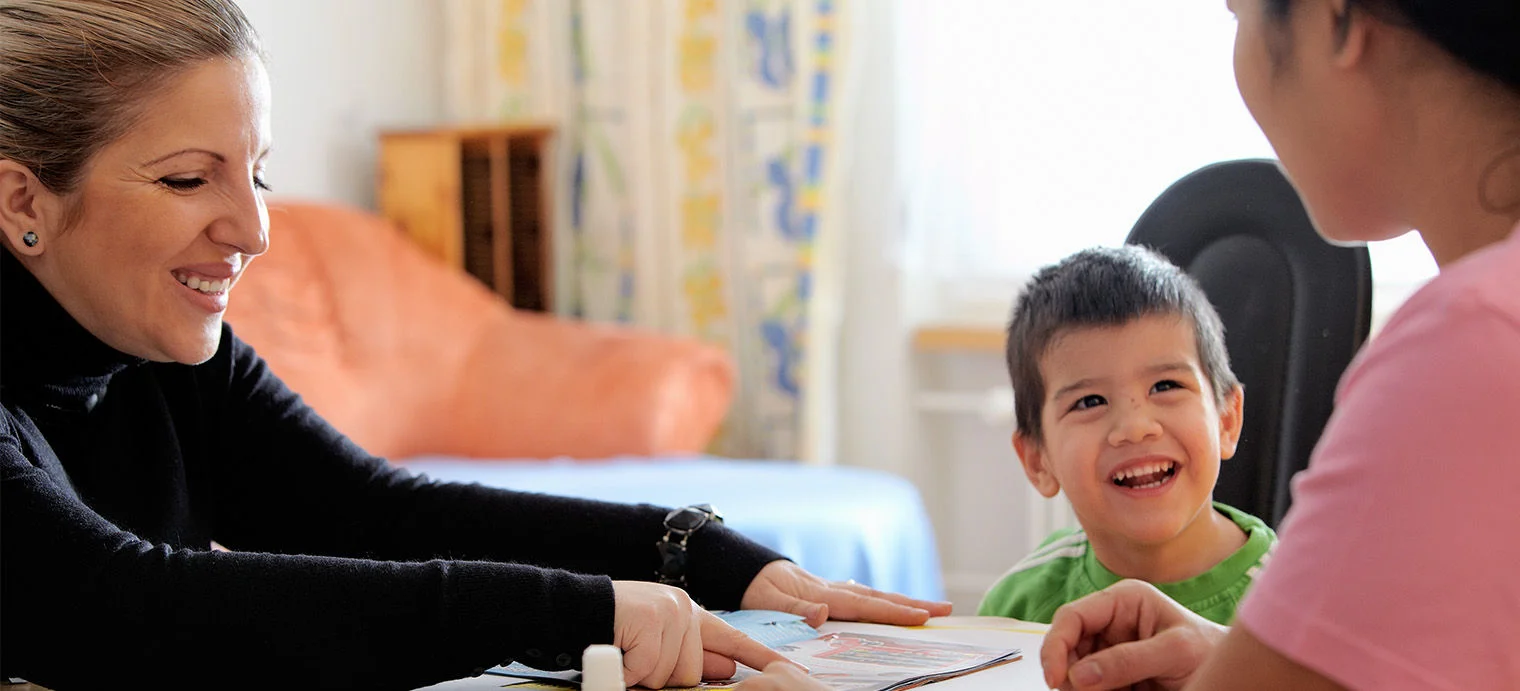
What we do with schritt:weise slots into people’s everyday existence and is embedded within family life. We support a family for 18 months, with weekly or bi-weekly home visits and with group meetings that enable parents to share ideas and integrate socially.
Which families take up this offer?
We focus on families in socio-economically challenging situations with children aged around one to three and a half. These include families with a migration background, single-parent families and those who are socially isolated and have little access to education. Most of these groups don’t know we exist. That’s why we need a network of experts to provide information about our scheme. These experts include social workers, parenting counsellors and paediatricians. Often, we are recommended by families who have already taken part in the scheme – this is the nicest compliment for us.
What does early childhood education during home visits look like?
For us, it’s not about early-years English or maths for young children – we play, do crafts or tell stories, always alongside a parent. This enables the child to develop their motor, linguistic, cognitive and emotional skills. Our home visitors are mothers themselves, and use their personal experience to interact with families on an equal footing.
Parents in difficult situations are often unsure and need support or encouragement. One father told us, for example, that he was able to move their TV into the cellar because his family received so many toys and suggestions during their time with schritt:weise. They keep his children so busy that the TV is no longer needed.
What do these home visits spark in parents?
Samira is a great example of this. She came to Switzerland from Morocco and lived a very secluded life with her husband and son. Having regular visitors was totally new for the family. At the first meeting in her apartment, Samira cried because she hadn’t been visited by anyone outside her family in two years. Today, Samira is actively involved in the neighbourhood. She runs cafés for parents, talks to mothers in similar situations and explains how schritt:weise has helped her family. In fact, some families came to us via Samira.
What changes do you notice after 18 months of support with the families?
We see what parents and children take from this period and integrate into their everyday life as a family. For example, the home visits introduced one mother, originally from Afghanistan, to toys for her son that she’d never heard of before: his first puzzle, which left a lasting impression, or a bingo game that the whole family enjoys. She also got to know the library and often goes there to read stories to her son. This, in turn, has improved her own German. After a while, she was able to talk to other mothers and ask questions at the group meetings. An impressive change!
When the scheme ends, we make sure that the families can continue to learn and receive support if needed. For parents, this could mean a parent group or a mother-and-child German course. For children, a nursery or playgroup may be the right choice.
What impresses you the most about this scheme?
I find the insight into other cultures enormously exciting. At first I just see a name on the doorbell, but as soon as the door opens, I step into a culture. Maybe I’ll drink tea sitting on the floor with an Afghan mother or learn the story of a refugee family from Ukraine. Every family lives in a different way, which means that I too can learn a lot. The work I do with schritt:weise is varied and meaningful.
And when the scheme comes to an end, we often get touching feedback, which has been clumsily translated by Google. For example: “My son’s joy and happiness when the home visitor arrived made my heart warm.” Or: “The regular visits made me not feel alone as a mum.”
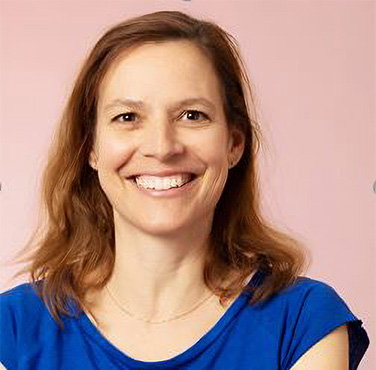
Laila Akra
Head of schritt:weise Bern North/East