Contact
 Find an agency
 Customer portal


- Advice

- Life events
- Insurance
- Services
- Report a claim
-

-

-
 Close
Close






The Human Safety Net
Empowering parents and children together
How schritt:weise is changing families’ lives in French-speaking Switzerland.
“Suddenly, parents see their children and themselves differently.” Marie Bessonneau talks about hurdles, encounters and special stories from her daily life as coordinator of the schritt:weise early childhood education scheme in the canton of Vaud.
Ms Bessonneau, how can the schritt:weise scheme from a:primo provide long-term support to socially disadvantaged families?
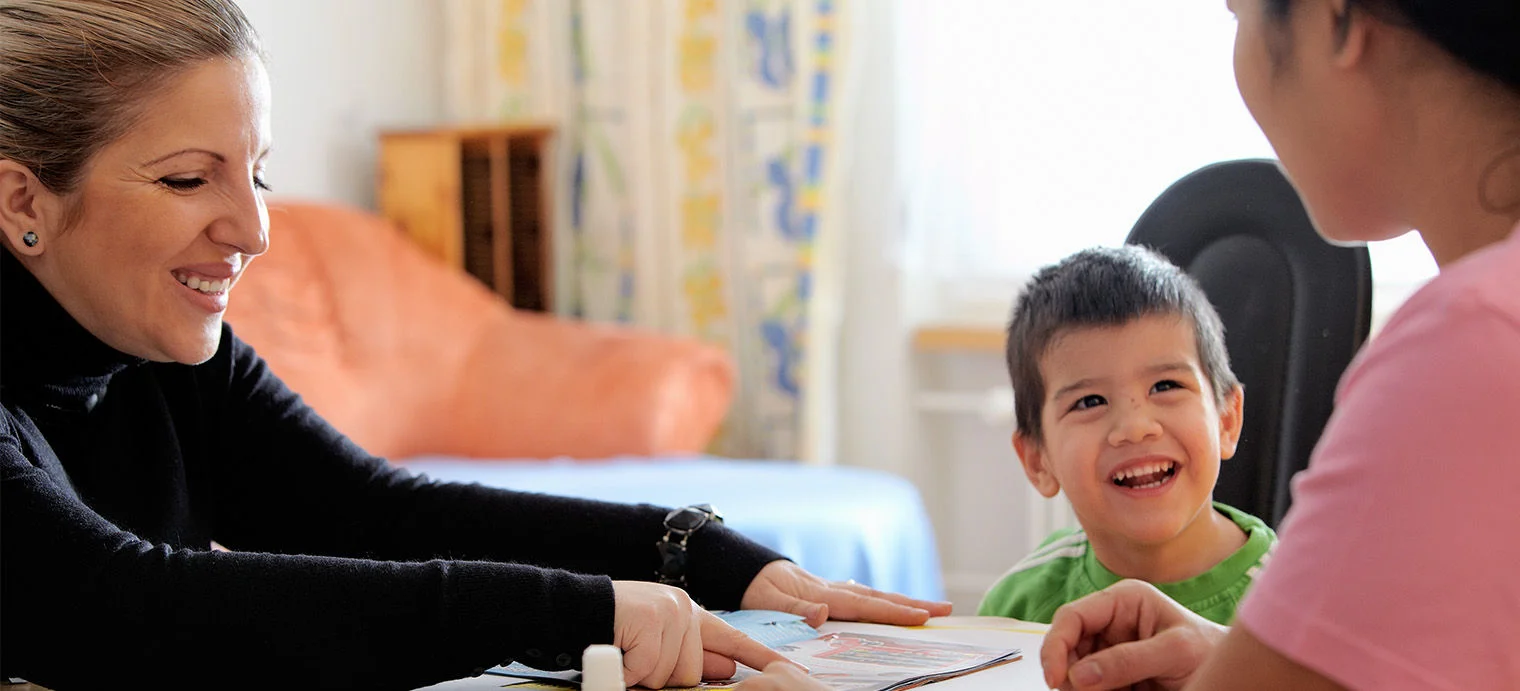
By visiting the families at home, in their private surroundings. They share part of their day-to-day life with our home visitors every week for 18 months. They chat, maybe play, do crafts or cook together. The important thing is that parents and children are never evaluated or judged but rather assisted and supported. We respect and appreciate their history, culture and life circumstances. This creates a safe and respectful environment.
What developments have you seen in parents in the course of the schritt:weise scheme?
I see how parents look at their children and themselves differently. They discover previously untapped resources and become more self-confident. At the same time, they also trust their child to have their own experiences – even if that means the task takes longer or isn’t done perfectly. For example, one mother realised that she could leave toys scattered around the living room without constantly tidying up and has learnt to see this as part of play.
How does the support provided by schritt:weise help children’s development?
Children generally benefit enormously from sharing moments with their parents. And that’s exactly what we help create through play. When young children talk, play and discover new things with their parents, they improve their language skills and become more curious and independent. However, there’s no need for parents to spend hours playing a game. A meal together, a walk or a story are all opportunities to build a relationship together and promote early childhood development.
Can you give a typical example of what can change between a parent and child?
A good example is the story of a mother who, at the beginning of the support, had great difficulty setting boundaries for her child. She was afraid to say no because she feared it would make her a bad mother. At the same time, playing with her son was difficult because he could hardly concentrate on one activity. Our home visitor showed the mother how to set boundaries for her child through play. Today, a real bond has developed between the mother and son. The mother has come to understand that it’s important to provide guidance – and that this isn’t a negative thing.
Is there a story that illustrates the purpose and success of the scheme particularly well?
I remember a young mother and her daughter. In the beginning, the mother remained in the background. Maybe out of shyness, fear of being judged, or because she didn’t know how to play with her child. Every family has its own habits and its own way of caring for their child. The home visitor encouraged the mother and showed her appreciation, so that she became more and more confident. The difference after 18 months was striking: the mother suggested games herself and played with her daughter confidently. She told us how nice it was to see her daughter happy.
Why do you think it’s important to support families when the children are young?
Because the first years of life are crucial for a child’s development. This is when language, emotional security, curiosity and trust develop. Supporting parents at this stage means taking action before certain difficulties arise. This strengthens social bonds and also helps when the child starts kindergarten later on. In the long term, schemes like schritt:weise will ensure more equal opportunities and a more inclusive society.
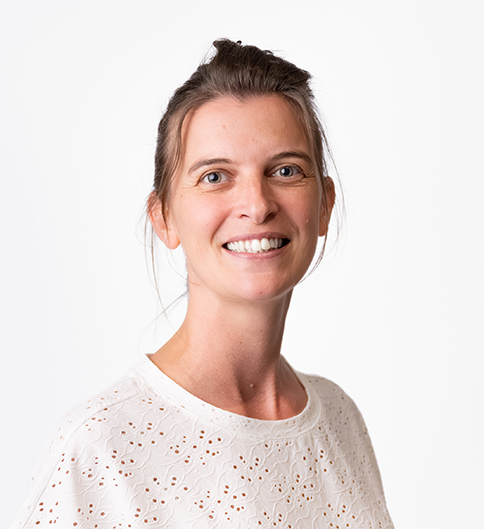
Marie Bessonneau
schritt:weise coordinator La Côte region
Marie Bessonneau leads a team of three home visitors in the canton of Vaud, who assist families on a weekly basis. She also works as a paediatric nurse and is the mother of a child herself.