Contact
 Find an agency
 Customer portal


- Advice

- Life events
- Insurance
- Services
- Report a claim
-

-

-
 Close
Close






The Human Safety Net
Music and movement help children grow.
What young children can learn together from music, dance and movement.
Music and movement aren’t just a source of fun for kids, they also promote development through play. Music educator Rochelle Warris-Batchelor runs a programme at the MegaMarie play and meeting centre where children can explore beyond their limits.
Ms. Warris-Batchelor, why are music and movement so important for kids’ development?
Because they allow children to learn naturally – physically, emotionally, socially and cognitively. When they move, children develop spatial awareness, while listening to music awakens their creativity. I’ve also seen music act as a non-verbal bridge for many kids to facilitate interaction with others – especially in their early years when their language is still developing. I’ve also noticed that some children are able to regulate their emotions better over time.
What exactly does your programme entail?
The children are between one-and-a-half and four years old, and their parents are always there. There can be up to 15 families at each meeting, often from different cultural and social backgrounds. I find that very enriching. The programme has a clear structure and creates a safe, playful space where children can express themselves freely and build self-confidence. We begin with a welcome song, followed by rhythm games, dance and jumping. The get-togethers always end with a relaxing activity. There’s always plenty of room for spontaneity – depending on what the children enjoy.
What changes have you noticed in children who regularly participate in the music and movement programme?
It varies depending on the child, but usually I notice improvements in:
- Physical, coordination and movement skills
- Socially, some children become more confident in their interactions with others
- Emotionally, children can become better at regulating their energy and feelings
I’ve seen rather shy children start singing or take the lead in the group. Music is a wonderful tool for inclusion, as it transcends social and linguistic barriers. Children later remember this type of learning and the community experience as something positive.
What advice do you give to parents who want to integrate more music and movement into everyday family life?
Start from an early age and stick with it. Singing a few songs together every day – at mealtimes, bath time or bedtime – creates valuable rituals. Movement doesn’t have to be complicated either: dancing in the living room or clapping simple rhythms is enough. Children don’t need perfect harmonies or choreography. What’s important is that you all have fun together.
Is there a good range of music and movement programmes for young children in Switzerland?
I believe that music and movement should be recognised as mandatory in early childhood education – not just optional. I would like to see more schools and institutions integrate these experiences into their core programmes and make them accessible to all families. That’s why I’m so proud and grateful to be part of the MegaMarie community, which recognises the importance of these early-years musical experiences and makes them available to everyone free of charge.
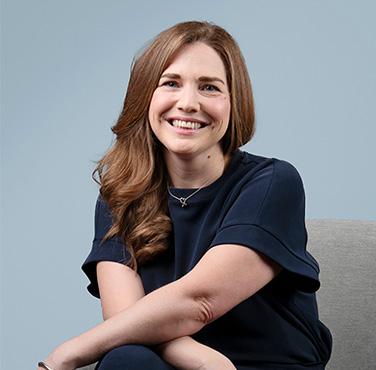
Rochelle Warris-Batchelor
Music educator and programme manager